
Museum of Horseless Carriage spotlighted at Michigan International Auto Show
The Museum of the Horseless Carriage was a special guest at the 2026 Michigan International Auto Show showcasing pre-1916 vehicles.
Hickory Corners, MI – While the 2026 Michigan International Auto Show featured hundreds of new examples from 30 auto manufacturers, this year also included a spotlight on the Museum of the Horseless Carriage, which celebrates and showcases pre-1916 vehicles.
“We’ve featured exhibits of antique cars in the past,” explained Show Producer Dawn Baker regarding the January event held at DeVos Place in Grand Rapids, MI, “but inviting the Museum of the Horseless Carriage provided a focus on the birth of the auto industry.”
This year the Museum of the Horseless Carriage, a partner museum at the nearby Gilmore Car Museum, exhibited a 1906 Ford Model N during the auto show.
“This unrestored survivor represents the birth of Ford Motor Company and the birth of the U.S. auto industry as well,” stated Jay Follis, Building Committee Chairman of the Museum of the Horseless Carriage.
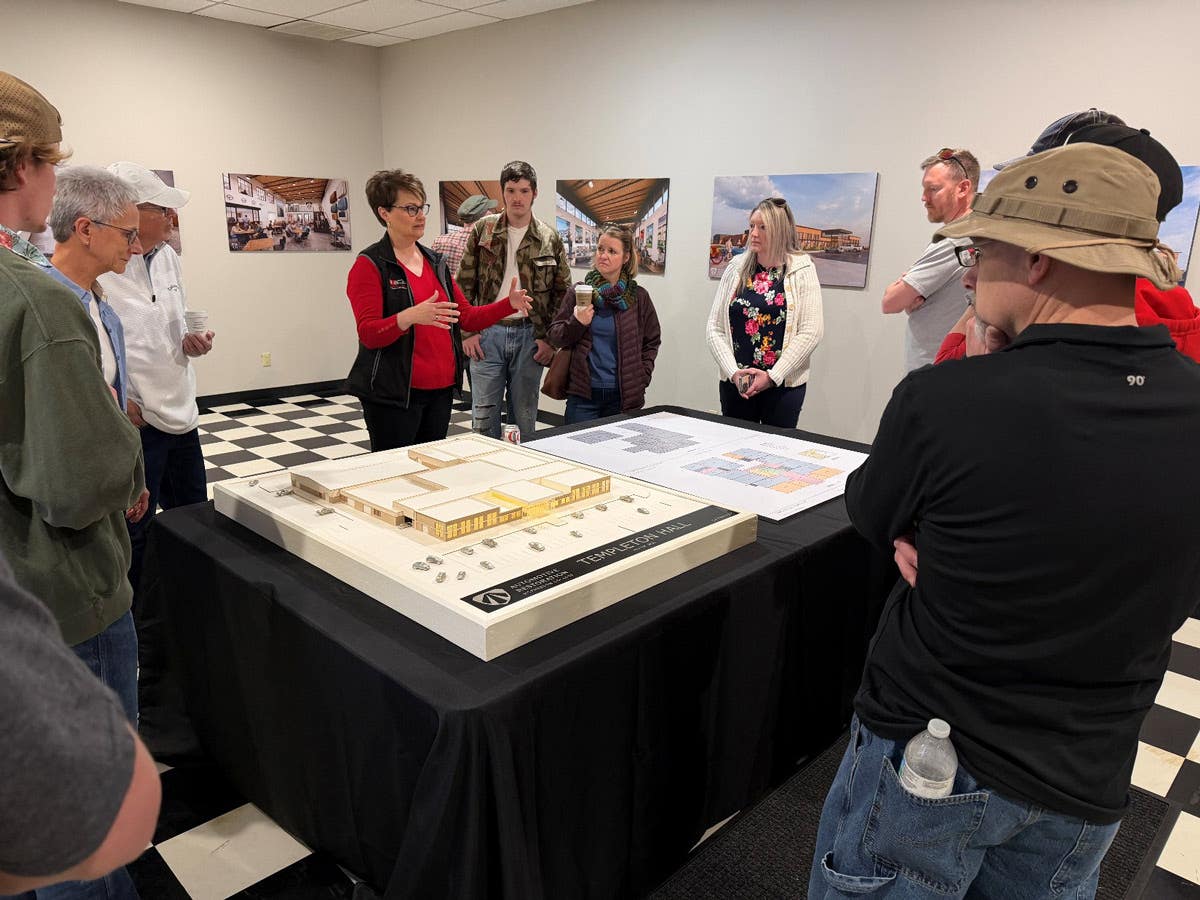
The museum plans to break ground and build their own structure on the historic campus of the Gilmore Car Museum this summer based off a vintage 1910 dealership building.
Guests of the 2026 Michigan International Auto Show had “very enthusiastic responses,” said Follis.
“Many things about this car surprised folks: the idea that it had been in the same family for 114 years, how it was stored untouched for nearly 80 years, or how it was built three years after Ford Motor Company began,” Follis continued.
Enthusiastic surprise seems to be exactly the response the team behind the Museum of the Horseless Carriage hopes for. Telling the stories of the pre-1916 vehicles and the the birth of the auto industry—also known as the “Brass Era”—is the basis of the new museum.
Many are familiar with Ford’s Model A and Model T but have most likely never heard of a Model N.
In 1903, the new company's first product was the diminutive Model A. It featured a two-cylinder engine mounted under the seat and power to the rear wheels was made with a bicycle-style chain drive. Ford Motor Company shareholders were motivated by profit and in 1904 convinced Henry Ford into building a luxury car: the Model B. This was a large four-passenger, four-cylinder engine and had a price tag of $2,000, which didn’t sell well.
This was a time during the firm’s earliest years when Ford Motor Company, like most pioneer auto manufacturers, were attempting to find what would sell best and what they could produce most efficiently.
In 1906, Ford offered three models to continue testing the market. An upscale large luxury car identified as the Model K arrived with a six-cylinder engine and had a price tag of $2,500. The mid-range Model F priced at $1,000, still utilizing a two-cylinder engine mounted under the seat and chain drive. The Model N was the firm’s entry-level car a with a price tag of just $500.
This was the car that initially fulfilled Henry Ford’s vision of a very reliable, low-cost automobile for the masses. With its front-mounted 4-cylinder, 15hp engine the Model N was something most people could afford and soon became the best-selling car in America. Shortly thereafter Ford offered buyers only one product, the simple Ford Model T, which sold over 16 million cars and changed history.
The Model N showcased at the International Auto Show was traded in 1912 from the Ford dealer in Fennville, MI for the new Model T. The car stayed within the dealership showroom for years until being moved to a barn in Plainwell, MI where it remained untouched until late 2025.
This car was introduced in 1906, within Ford Motor Company’s first three years, when tires were white (due to the natural color of rubber), headlights were optional and drivers were required to make their own license plates. Exposing guests to this pioneering time of the auto industry and all its unknown stories is precisely the mission of the Museum of the Horseless Carriage.
To learn more about this fascinating endeavor and the groundbreaking this summer at the Gilmore Car Museum please visit MuseumoftheHorselessCarriage.org
If you like stories like these and other classic car features, check out Old Cars magazine. CLICK HERE to subscribe.
Want a taste of Old Cars magazine first? Sign up for our weekly e-newsletter and get a FREE complimentary digital issue download of our print magazine.